




Loyalty Program Software for Hotels in Indonesia



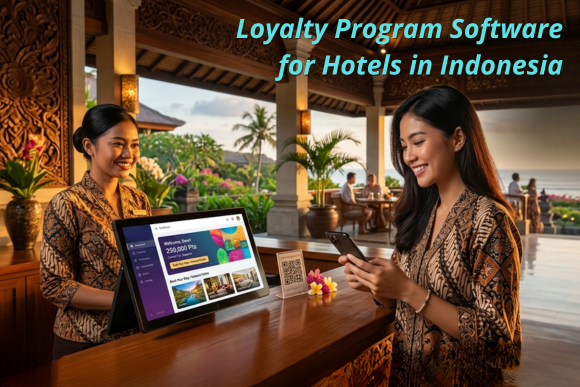
Loyalty Program Software for Hotels in Indonesia
Indonesia’s hospitality industry is thriving, driven by increasing tourism, digital transformation, and rising guest expectations. From luxury resorts in Bali to boutique hotels in Jakarta, the competition to attract and retain guests is stronger than ever. In this dynamic environment, implementing Loyalty Program Software for Hotels in Indonesia has become a powerful strategy to build long-term guest relationships, boost repeat bookings, and increase overall revenue.This blog explores how loyalty program software is transforming Indonesian hotels, why it matters, and how to implement it effectively for sustainable growth.
Why Loyalty Programs Matter in the Indonesian Hotel Industry
The Indonesian travel market is growing rapidly, fueled by both domestic and international tourism. However, with growth comes competition. Guests now have endless choices, and price alone is no longer the deciding factor.Loyalty programs help hotels:
- Encourage repeat bookings
- Strengthen guest relationships
- Enhance personalized experiences
- Increase direct bookings and reduce OTA dependency
A well-designed loyalty program creates emotional connections with guests, turning one-time visitors into long-term brand advocates.
What is Loyalty Program Software for Hotels?
Loyalty program software is a digital platform that helps hotels create, manage, and optimize guest reward programs. It automates everything from point accumulation to redemption, customer segmentation, and personalized offers.By using Loyalty Program Software for Hotels in Indonesia, hotel owners can streamline their operations while delivering a seamless guest experience.
Key Features of Loyalty Program Software for Hotels in Indonesia
Guest Profile Management
The software collects and stores guest data, including preferences, booking history, and behavior patterns. This enables hotels to offer personalized services.
Points and Rewards System
Hotels can create flexible reward systems where guests earn points for stays, dining, or additional services. These points can later be redeemed for discounts, upgrades, or exclusive perks.
Multi-Channel Integration
Modern loyalty platforms integrate with:
- Hotel booking engines
- POS systems
- CRM tools
- Mobile apps
This ensures a consistent experience across all touchpoints.
Automated Marketing Campaigns
Hotels can send targeted emails, SMS, and app notifications based on guest behavior, improving engagement and conversions.
Real-Time Analytics and Reporting
Data-driven insights help hotels track program performance, guest retention rates, and ROI.
Benefits of Using Loyalty Program Software in Indonesia
Improved Guest Retention
Repeat guests are more valuable than new ones. Loyalty programs keep customers engaged and encourage them to return.
Increased Direct Bookings
By offering exclusive benefits to members, hotels can reduce reliance on third-party booking platforms.
Enhanced Guest Experience
Personalized rewards and communication create a memorable stay, leading to positive reviews and referrals.
Revenue Growth
Loyal customers tend to spend more on rooms, dining, and additional services.
Competitive Advantage
Hotels with strong loyalty programs stand out in a crowded market.
How Loyalty Programs Influence Guest Behavior
Modern travelers in Indonesia expect more than just accommodation—they seek experiences. Loyalty programs tap into this mindset by rewarding engagement and encouraging brand interaction.
- A guest who receives personalized offers is more likely to book again
- Reward tiers motivate guests to spend more to unlock benefits
- Exclusive perks create a sense of belonging
This behavioral shift leads to higher lifetime customer value.
Types of Loyalty Programs for Indonesian Hotels
Points-Based Programs
Guests earn points for every booking and redeem them later. This is the most common and easy-to-understand model.
Tier-Based Programs
Members progress through levels (e.g., Silver, Gold, Platinum) based on their activity, unlocking better rewards at each level.
Cashback or Discount Programs
Guests receive direct discounts or cashback on future bookings.
Experience-Based Programs
Rewards include unique experiences such as spa treatments, guided tours, or cultural activities.
Challenges Hotels Face Without Loyalty Software
- Inefficient guest data management
- Lack of personalization
- Poor engagement with returning customers
- Missed revenue opportunities
How to Choose the Right Loyalty Program Software for Hotels in Indonesia
Ease of Use
The software should be user-friendly for both staff and guests.
Customization Options
Hotels should be able to tailor rewards, tiers, and campaigns based on their brand and target audience.
Integration Capabilities
Ensure compatibility with existing hotel systems such as PMS and booking engines.
Scalability
The solution should grow with your business, whether you manage a single property or multiple locations.
Data Security
Protecting guest information is essential for building trust.
Implementation Strategy for Indonesian Hotels
Define Your Goals
Decide what you want to achieve—higher retention, increased bookings, or better guest engagement.
Understand Your Guests
Analyze guest behavior, preferences, and spending patterns.
Design Attractive Rewards
Offer rewards that are meaningful and relevant to your target audience.
Train Your Staff
Ensure your team understands how to use the software and promote the program effectively.
Promote Your Loyalty Program
Use email marketing, social media, and in-hotel promotions to attract members.
Future Trends in Hotel Loyalty Programs in Indonesia
Mobile-First Experience
Guests prefer managing their loyalty accounts through mobile apps.
AI-Driven Personalization
Artificial intelligence enables highly personalized recommendations and offers.
Contactless Technology
Seamless, touch-free interactions are becoming standard in the hospitality industry.
Partnerships and Collaborations
Hotels are partnering with airlines, restaurants, and travel services to offer broader rewards.
Why Your Hotel Needs Loyalty Program Software Now
Indonesia’s hospitality market is evolving rapidly. Hotels that invest in technology and guest experience will lead the industry.Using Loyalty Program Software for Hotels in Indonesia allows you to:
- Build stronger guest relationships
- Increase repeat bookings
- Drive higher revenue
- Stay ahead of competitors
Call to Action
If you want to transform your hotel business and create lasting guest relationships, now is the time to act. Implement a powerful loyalty solution and take your guest experience to the next level.Request a Demo
Frequently Asked Questions (FAQ)
What is loyalty program software for hotels?
It is a digital tool that helps hotels manage guest reward programs, track customer behavior, and offer personalized incentives.
Why is loyalty software important for hotels in Indonesia?
It helps hotels retain guests, increase direct bookings, and improve overall guest satisfaction in a competitive market.
Can small hotels use loyalty program software?
Yes, many solutions are scalable and suitable for small, mid-sized, and large hotels.
How does loyalty software increase revenue?
By encouraging repeat bookings, upselling services, and reducing reliance on third-party platforms.
Is loyalty program software easy to integrate?
Most modern solutions offer seamless integration with existing hotel systems like PMS and booking engines.
Conclusion
The future of hospitality in Indonesia lies in personalization, technology, and guest loyalty. Hotels that adopt modern solutions will not only survive but thrive in this competitive landscape.Investing in Loyalty Program Software for Hotels in Indonesia is no longer optional—it’s essential. By leveraging the right tools, you can create unforgettable guest experiences, build long-term relationships, and achieve sustainable growth in the ever-evolving hospitality industry.
Timeshare Management Software in Sydney
The vacation ownership and hospitality industry in Sydney is rapidly evolving. With increasing competition,changing customer expectations, and the need for seamless digital experiences, timeshare operators require advanced technology solutions to manage their properties efficiently. This is where Timeshare Management Software in Sydney becomes an essential tool for resorts, holiday clubs, and vacation ownership businesses.
Managing multiple property owners, reservations, payments, maintenance schedules, and customer relationships manually can be time-consuming and error-prone. A dedicated timeshare management system helps businesses automate operations, improve member satisfaction, and maximize revenue opportunities.
What Is Timeshare Management Software?
Timeshare Management Software is a specialized platform designed to help vacation ownership companies manage shared properties, memberships, bookings, payments, and customer interactions from a centralized system.
Unlike traditional property management systems, timeshare software is specifically created for businesses where multiple owners share rights to use vacation properties during specific periods.
A modern timeshare management solution typically includes:
- Owner and member management
- Reservation and availability management
- Online booking portals
- Automated billing systems
- CRM tools
- Reports and analytics
- Communication automation
- Document management


